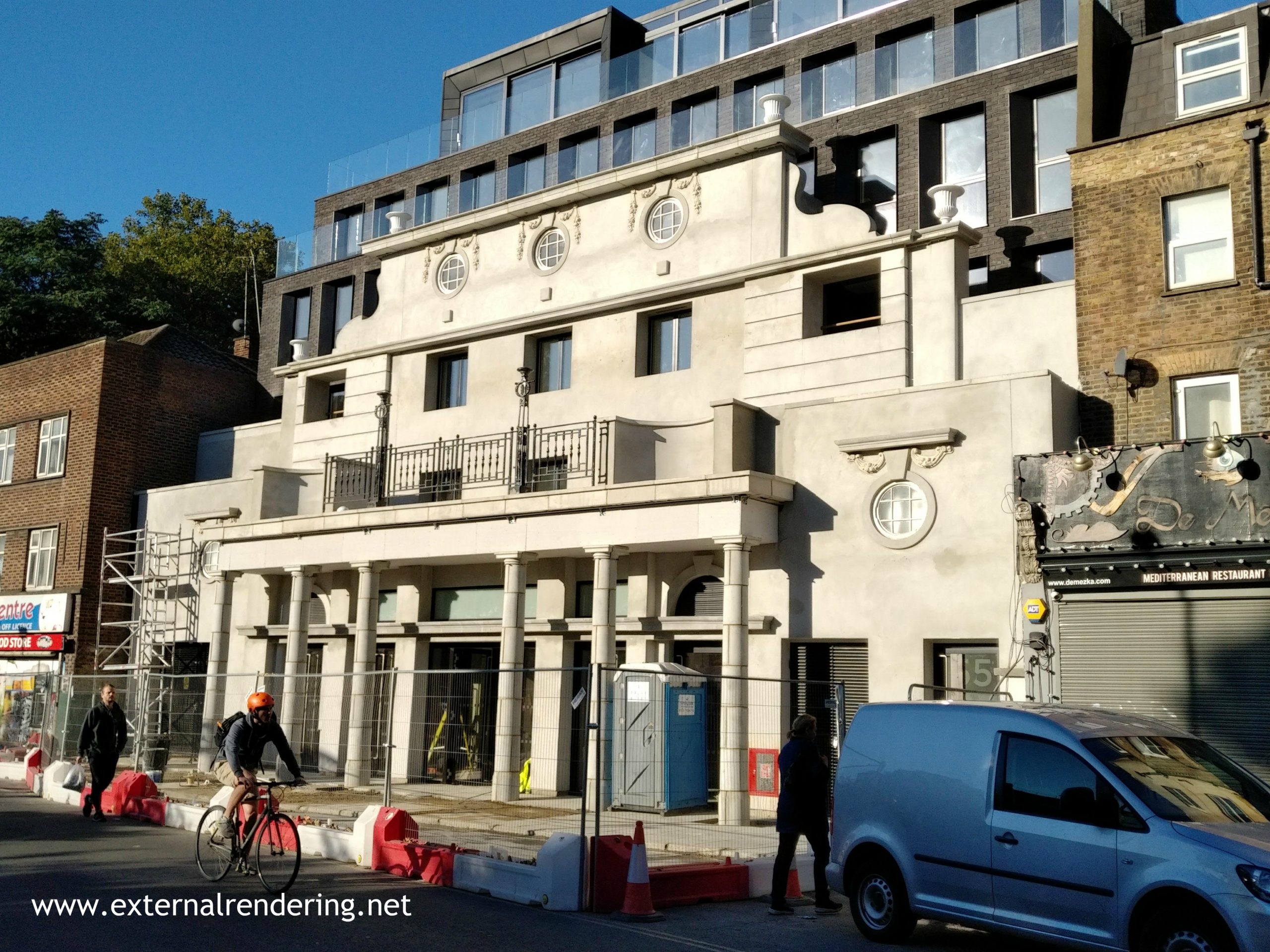


Web specialise in providing Monocouche rendering services. The term “monocouche” is French for “single layer,” indicating that this render can often be applied in one coat, although sometimes a second pass might be required for finishing.
Below we have listed some advantages and disadvantages of this render system:
PROS:
- It requires a single coat (sometimes two) application, making the application process quicker
- It allows the building to breath
- he render is available in a wide range of colors, with pigments mixed into the render itself
CONS:
- It is less flexible than some modern rendering systems
- Monocouche render can be heavier than some other rendering options, potentially limiting its use on certain structures or requiring additional structural support
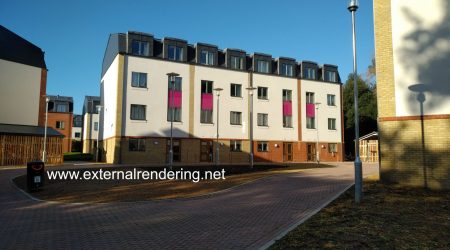
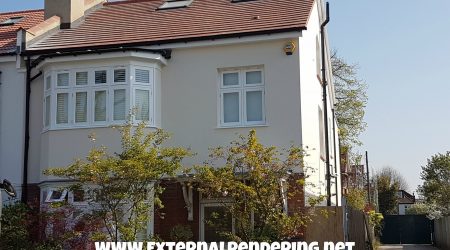
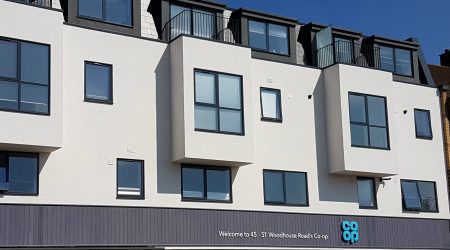
Practical aspects of monocouche render
Prior to monocouche being applied to the chosen surface, the surface is cleaned and dried to ensure there is no contaminant or undesirable object that may oppose the joining of the monocouche render to the surface.
The monocouche layer is applied quickly to the surface using a spray machine (e.g. PUTZMEISTER) with the aim of achieving a minimum 15 mm thick render layer on top of the substrate.
Once the monocouche render has been applied to the surface and still remains a green colour, should the owner wish to make further modifications on the rendered surface such as making the rendered surface have the shape, pattern and form of the underlying blocks/ bricks, the position of the lines that are the gaps between the blocks are imagined on the rendering material and marked using a chalk and a timber batten. The areas marked with chalk are to cut by the Ashlar cutter to depth at which gaps between the blocks are noticeable.
Usually the minimum thickness of the render applied to the substrate is 15 mm.
Once the render has hardened (usually expected to occur between 3 – 16 hours after application, the reason for this range is due to the substrate and the weather conditions), the surface is scraped by a tool in a gentle and circular motion until its surface has been smoothed and 3 mm of rendered surface has been shaved off due to the scraping. Finally, the rendered surface is gently brushed.