


Silicone Render
Reliable
Friendly
Punctual
Approved installers
We offer the rendering service that involves the use of Silicone render. The key features of this rendering system are:
PROS:
- Silicone is flexible, minimising the likelihood of hairline cracks compared to other renders
- It has a long lifespan, making it a low-maintenance option
- It is suitability application include: blockwork, brick, insulation, cement board, render board, concrete, concrete blocks, lightweight blocks, bricks
- It is a self-coloured render system (it does not require painting)
CONS:
- A more expensive option to traditional render (due to product costs)
- More labour intensive
- It is not the most environmentally friendly render system on the market
- It is not easy to change the colour of the render once applied
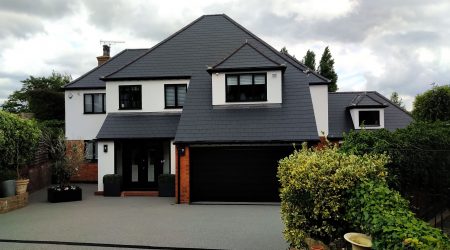


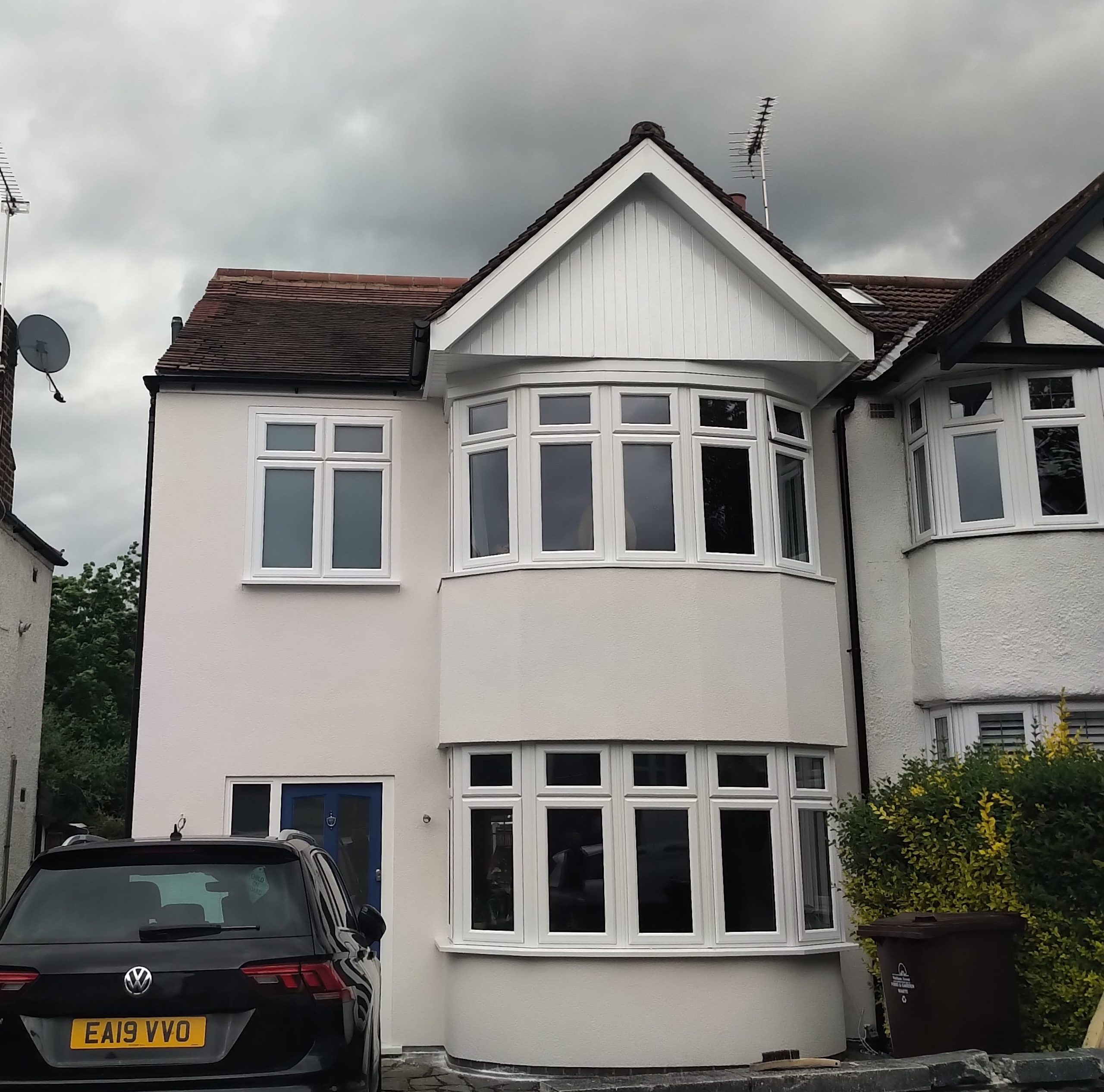
Practical aspects of Silicone Render
- Prior to the silicone render (also called thin coat render) being applied to the chosen surface (insulation, render board, concrete blocks, smaller blocks, bricks or stone surfaces, also known as the substrate), the surface is cleaned and dried to ensure there is no contaminant or undesirable object that may oppose the joining of the base coat render to the surface.
- The first coat is the base coat with full fiberglass reinforcement mesh which is applied to the substrate as well as the beading.
- The first coat is left to dry for a number of days before any other coatings can be applied.
- Depending on the rendering manufacture system that is used, then a primer is applied to the base coat.
- To finish the job off the final coat is applied in the colour of your choice.
- Usually the minimum thickness of the render applied to the substrate is 8mm-10mm
On a sunny and dry day the render hardens within 2-6 hours however in moist and cold conditions it can take up to 48 hours for this to happen
Is K Rend and silicone render the same thing?
K Rend are one of the manufactures for the silicone render system.
What is the difference between silicone render and acrylic render?
Acrylic can be a cheaper render system. Silicone provides breathability and is longer lasting than acrylic renders.
Can you repair silicone render?
Yes you can depending on how damaged the current render is.
Do you have a choice of colour for this render system?
Yes, there are a variety of colours you can choose from.
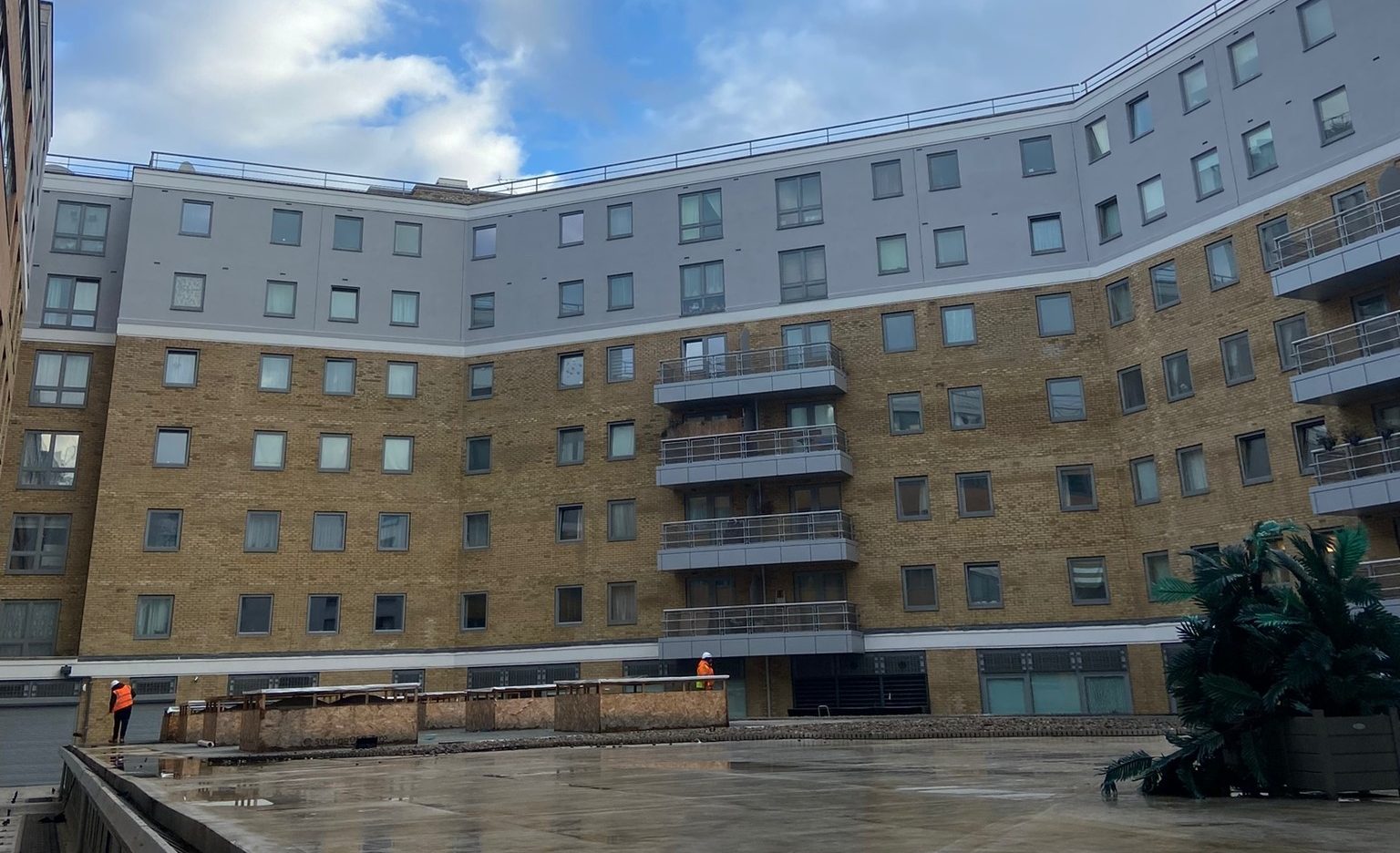
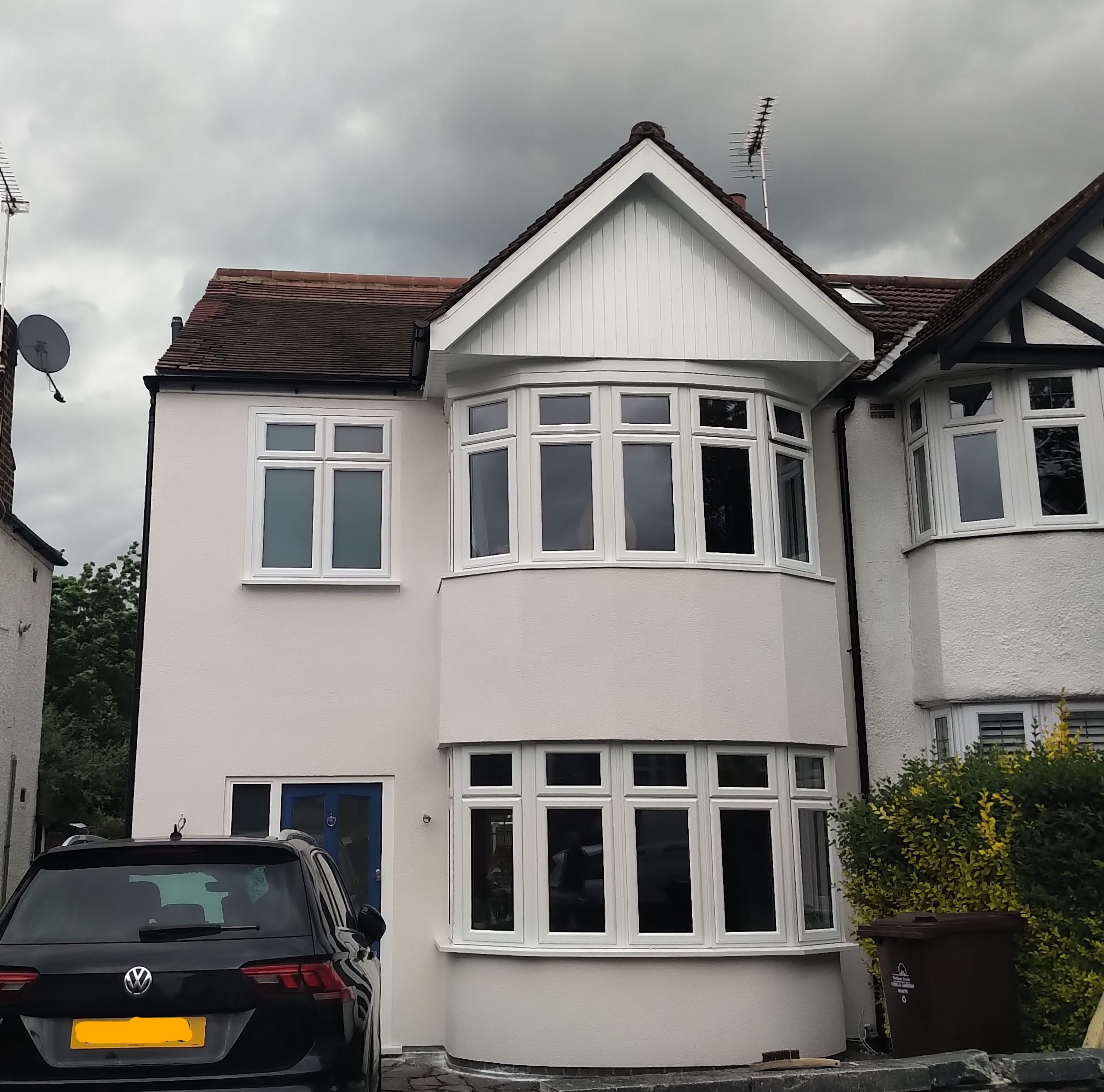
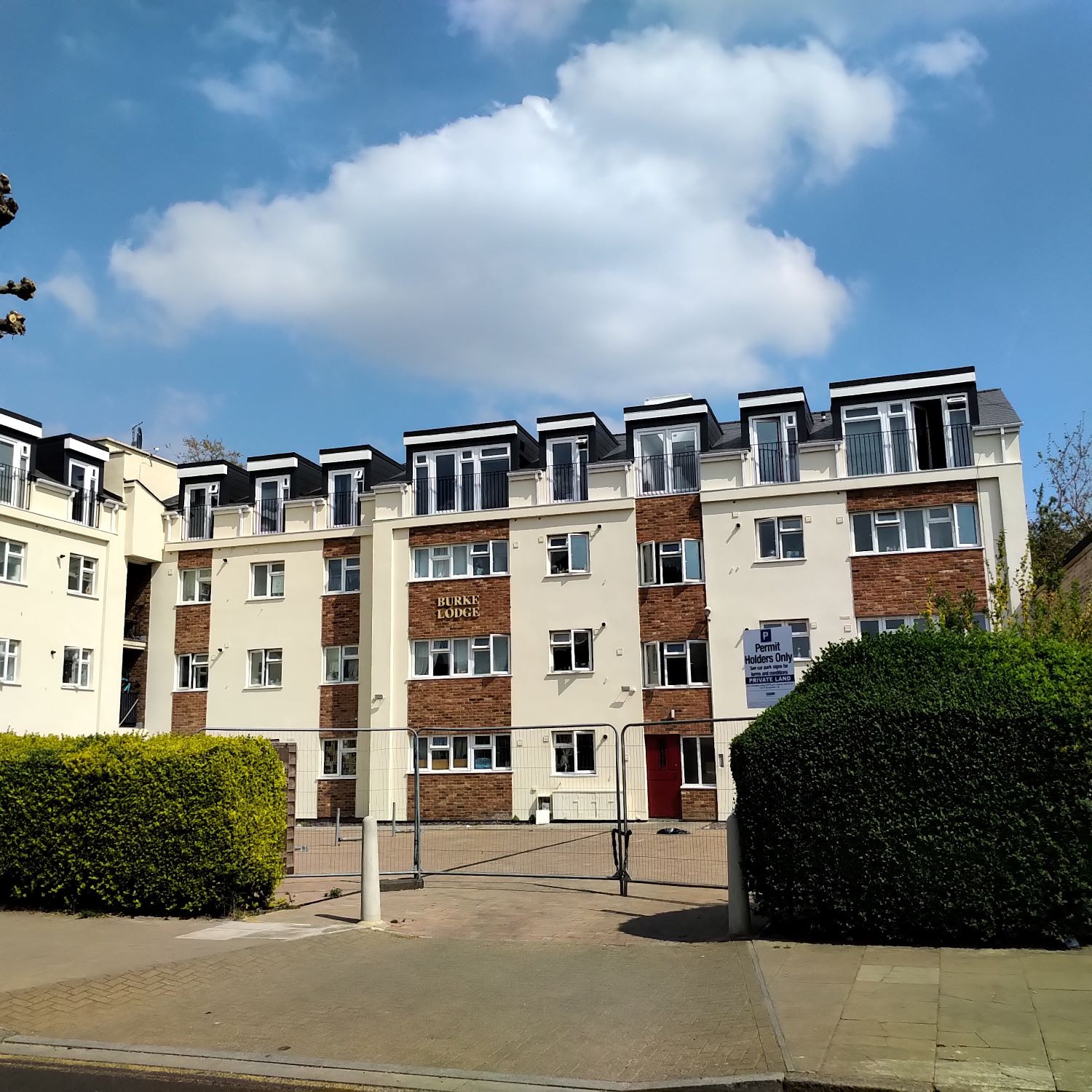
We can provide a one stop service for our customers which includes:
The Process
Once you contact us, we will provide you with a budget estimate. If the estimate is within your budget, we will then arrange a site meeting with one of our surveyors, who will provide you with a formal quotation.
Read more about our process